
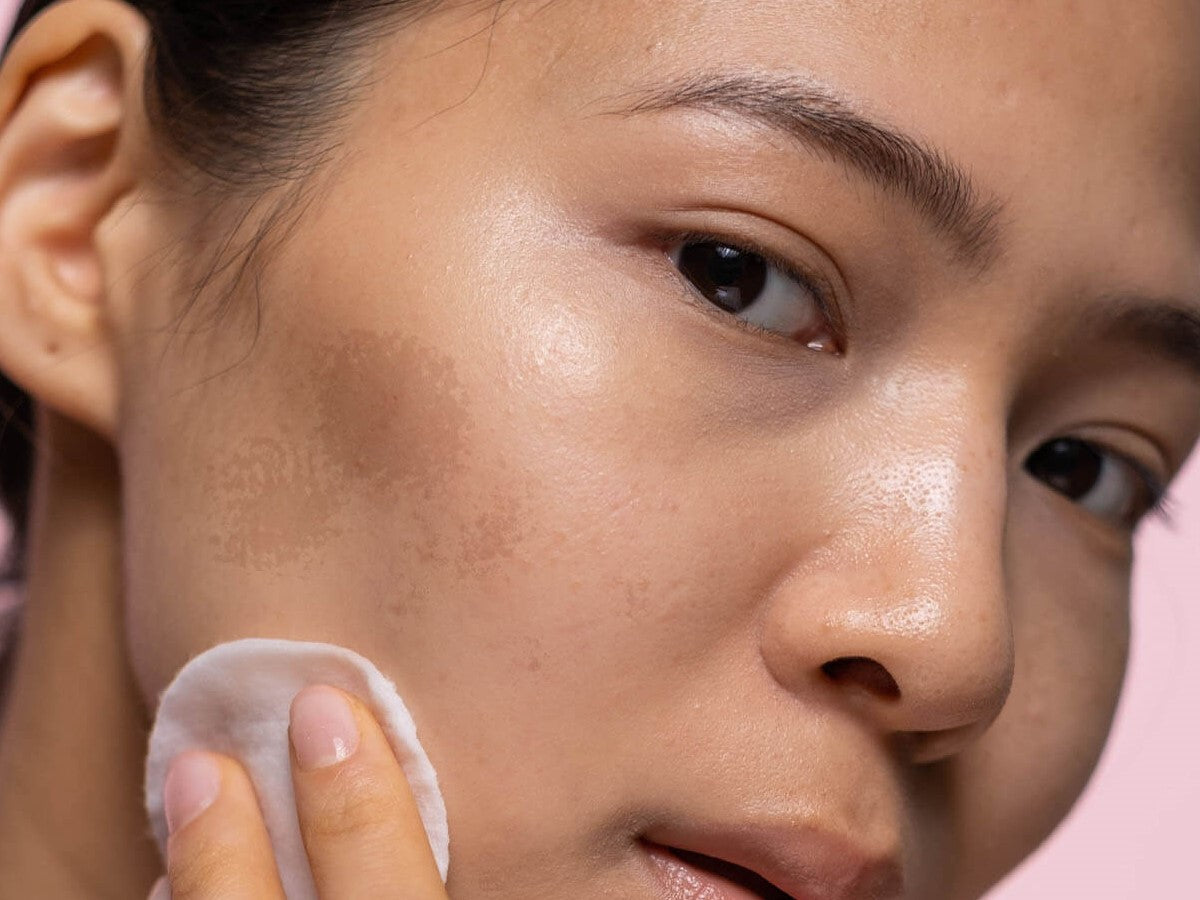
Hyperpigmentation is one of the most persistent skin concerns, affecting people of all ages and skin tones. From sun spots to acne marks and melasma, uneven skin tone can be difficult to treat without the right approach. While many people search for the best products for hyperpigmentation, the real key lies in understanding active ingredients and how they work.
Choosing skincare based on ingredients rather than trends allows you to build an effective routine tailored to your skin type and concerns. This guide will help you decode the most powerful ingredients used to treat hyperpigmentation and show you how to select the right combination for visible and lasting results.
What Causes Hyperpigmentation and Why Ingredients Matter
Hyperpigmentation occurs when excess melanin is produced in certain areas of the skin. This overproduction can be triggered by sun exposure, inflammation, hormonal changes, or skin injuries.
The reason active ingredients matter is simple. Different ingredients target different stages of melanin production and skin renewal. Some work by slowing pigment formation, while others help remove pigmented cells or prevent further damage.
When you understand how each ingredient works, you can choose the best products for hyperpigmentation that align with your specific needs rather than relying on guesswork.
Vitamin C as a Foundation Ingredient for Brightening
Vitamin C for face care remains one of the most trusted and widely used ingredients for treating uneven skin tone. It is a powerful antioxidant that helps neutralize free radicals and reduce oxidative stress caused by environmental factors.
Its primary role in treating hyperpigmentation is to inhibit melanin production, which gradually fades dark spots and improves overall brightness. It also boosts collagen production, enhancing skin texture and radiance.
When choosing products with vitamin C for face use, look for stable formulations and appropriate concentrations. This ingredient works best when used consistently and paired with sun protection.
Because of its versatility, vitamin C is often included in the best products for hyperpigmentation and serves as a strong foundation for any brightening routine.
Niacinamide for Balancing and Repairing Skin Tone
Niacinamide, also known as vitamin B3, is a multitasking ingredient that addresses several skin concerns at once. It helps regulate melanin transfer within the skin, reducing the appearance of dark spots over time.
In addition to brightening, niacinamide strengthens the skin barrier, reduces redness, and improves overall texture. This makes it especially useful for people with sensitive or acne prone skin.
Niacinamide pairs well with other active ingredients, making it a valuable addition to routines focused on hyperpigmentation.
Alpha Arbutin for Targeted Spot Correction
Alpha arbutin is a gentle yet effective ingredient that specifically targets dark spots and uneven pigmentation. It works by inhibiting the enzyme responsible for melanin production, leading to gradual lightening of affected areas.
This ingredient is suitable for most skin types and is less likely to cause irritation compared to stronger alternatives. It is often found in formulations designed for targeted treatment rather than full face application.
For those dealing with stubborn spots, alpha arbutin can be a key component of the best products for hyperpigmentation.
Kojic Acid for Visible Brightening
Kojic acid is derived from natural fermentation processes and is known for its ability to reduce pigmentation. It works by blocking tyrosinase, an enzyme involved in melanin production.
While effective, kojic acid can be slightly irritating for some individuals, especially when used in high concentrations. It is best introduced gradually and combined with soothing ingredients.
When used correctly, it can deliver noticeable improvements in skin tone and clarity.
Retinoids for Accelerated Skin Renewal
Retinoids are among the most powerful ingredients in skincare, known for their ability to speed up cell turnover. By encouraging the shedding of old skin cells and promoting the growth of new ones, retinoids help fade pigmentation more quickly.
They are particularly effective for post acne marks and long standing discoloration. However, they can cause dryness or irritation if not used properly.
Starting with a lower strength and gradually increasing frequency can help your skin adjust while still benefiting from their powerful effects.
Exfoliating Acids for Smoother and Brighter Skin
Exfoliating acids such as glycolic acid, lactic acid, and mandelic acid play an important role in treating hyperpigmentation. They remove dead skin cells from the surface, allowing newer and more even toned skin to emerge.
These acids also improve the absorption of other active ingredients, making your overall routine more effective.
Regular but gentle exfoliation is key. Overuse can damage the skin barrier and worsen pigmentation, so balance is essential.
How to Combine Ingredients for Maximum Results
The most effective approach to treating hyperpigmentation often involves combining complementary ingredients. However, it is important to do so thoughtfully to avoid irritation.
A typical routine might include vitamin C for face application in the morning to protect and brighten, followed by sunscreen to prevent further pigmentation.
In the evening, ingredients like retinoids or alpha arbutin can be used to support skin renewal and target dark spots.
Niacinamide can be used alongside both morning and evening routines to enhance overall skin health and improve results.
Layering ingredients correctly and allowing your skin time to adapt can significantly improve the effectiveness of your routine.
Choosing Products Based on Your Skin Type
Selecting the best products for hyperpigmentation also depends on your skin type.
For oily skin, lightweight and non greasy formulations are ideal. Ingredients like niacinamide and exfoliating acids can help control oil while addressing pigmentation.
For dry skin, look for hydrating formulations that include ingredients like hyaluronic acid alongside active brightening agents.
Sensitive skin benefits from gentler ingredients such as alpha arbutin and lower concentrations of active compounds.
Combination skin requires a balanced approach, using lightweight products that provide hydration without clogging pores.
Understanding your skin type ensures that your chosen ingredients work effectively without causing additional issues.
The Importance of Consistency and Patience
One of the most important factors in treating hyperpigmentation is consistency. Even the best products for hyperpigmentation take time to deliver visible results.
Most people begin to see improvement within a few weeks, but significant changes often take several months. Skipping applications or frequently changing products can delay progress.
Building a routine and sticking to it is essential for achieving long term results.
Why Sun Protection Is Non Negotiable
No matter how effective your ingredients are, they cannot work properly without sun protection. Exposure to ultraviolet rays triggers melanin production and can undo your progress.
Using sunscreen daily helps protect your skin and allows active ingredients like vitamin C for face care to perform at their best.
Think of sun protection as the foundation that supports all other efforts to treat hyperpigmentation.
Common Mistakes to Avoid When Choosing Products
Many people make the mistake of choosing products based solely on popularity rather than ingredients. This can lead to ineffective results and wasted time.
Another common error is using too many active ingredients at once, which can irritate the skin and worsen pigmentation.
Ignoring your skin type can also lead to poor outcomes. What works for one person may not work for another.
Avoiding these mistakes allows you to create a routine that is both effective and sustainable.
Choosing the right skincare for hyperpigmentation is not about following trends or selecting random solutions. It is about understanding active ingredients and how they interact with your skin.
From the brightening power of vitamin C for face use to the targeted action of alpha arbutin and the renewing effects of retinoids, each ingredient plays a specific role in improving skin tone.
By focusing on ingredient based selection, you can confidently choose the best products for hyperpigmentation and build a routine that delivers real and lasting results.